Optimize Your Environment for Improved Focus, Energy, and Recovery
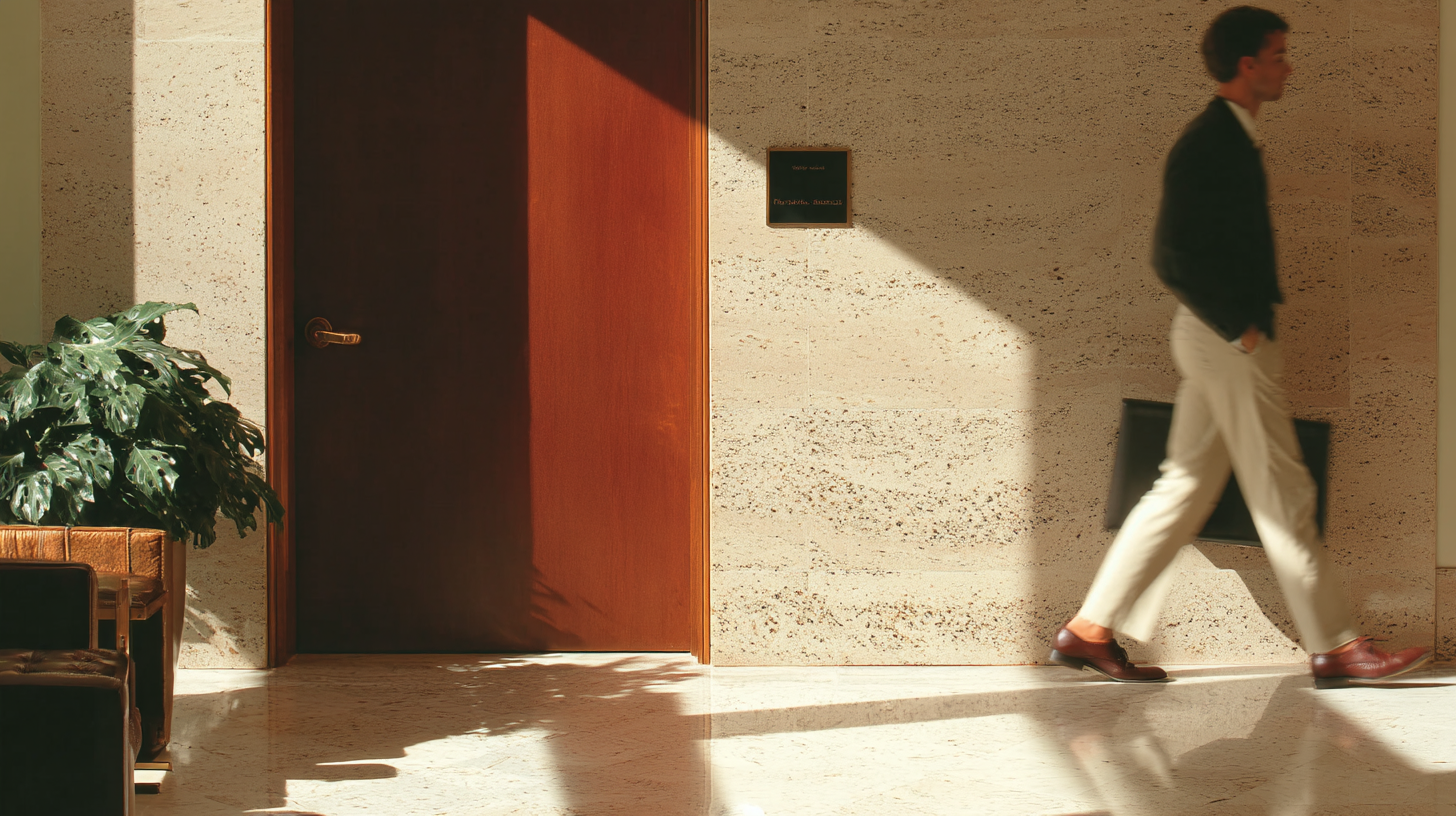
You don’t need to overhaul your life to feel better. Sometimes, the biggest shift starts with your space.
We spend over 90% of our time indoors, yet most of us rarely consider how that environment affects our energy, sleep, and mental clarity. Stale air, harsh lighting, and background noise might seem like minor annoyances, but over time, they chip away at your health and performance.
The good news? Simple, affordable upgrades to your home setup can make a real difference in focus, energy, and recovery.
Breathe Better, Think Clearer
Let’s start with air quality. Research from Harvard shows that elevated indoor CO₂ levels can impair cognitive function¹, reducing our ability to focus, process information, and make decisions. If you work from home or spend long hours indoors, keep reading!
A CO₂ monitor, like the Aranet4, can help you track levels. Aim to keep below 800 parts per million during the day. That said, you don’t need fancy gear to start taking action. Just opening your windows for 10-15 minutes a few times a day can bring in fresh air and dramatically improve indoor ventilation.
Adding a HEPA air purifier is another powerful way to reduce airborne pollutants, especially if you live in an urban area or near construction. Models like the Levoit Core 300 filter out dust, allergens, and even some viruses. You can also make progress with little spend by regularly vacuuming, minimizing synthetic air fresheners, and wiping down surfaces that collect dust.
Finally, don’t underestimate the power of plants! Snake plants, pothos, and peace lilies are more than just decoration, they help purify the air and increase oxygen levels. They’re also linked to improved mood and reduced stress2, according to a 2019 review published in the International Journal of Environmental Research and Public Health.
Light That Supports Your Body Clock
Our brains are hardwired to respond to natural light. It’s how we regulate sleep, energy, and hormone cycles. When you’re surrounded by overhead LEDs or stuck staring at a screen all day, your body can lose that rhythm.
Light therapy lamps like the Verilux HappyLight simulate natural sunlight and are especially helpful during the winter or early mornings when daylight is limited. Just 15-30 minutes each morning can improve alertness, boost mood, and help regulate your circadian rhythm. Not ready to invest in a lamp? A free (and equally powerful) alternative is getting outside within the first hour of waking, even for a short walk. If you work from home, try giving yourself a "commute" by walking around the block before you start your day. Cloudy skies still count; Your body still gets the signal!
In the evening, dimming your lights can make a big difference. Smart bulbs that shift tone throughout the day work well: think cooler, brighter light in the morning and warmer, softer tones at night. You can also mimic this naturally by turning off overhead lights after sunset and using lamps or candles instead. It’s all about sending your body the right cues: now is the time to wind down. Another helpful tool is the Hatch Restore, which lets you program gradual light settings to support both your wind-down routine at night and your wake-up rhythm in the morning.
Make it Easier to Fall Asleep and Stay Asleep
Sleep isn’t just about duration. It’s about depth, consistency, and recovery. Even small environmental tweaks can improve all three.
If you’re waking up with neck or shoulder stiffness, consider switching to a supportive memory foam pillow. Pillows from brands like Tempur-Pedic help maintain proper spinal alignment, which can reduce tension and improve overall sleep quality. Don’t want to splurge just yet? Try folding a towel under your pillow or adjusting the height to better support your head and neck.
White noise can also be a game-changer, especially in city apartments or homes with lots of ambient sound. A white noise machine like LectroFan creates a consistent soundscape that helps your brain tune out distractions. Alternatively, apps like myNoise or Noisli offer free options you can run from your phone.
Even small amounts of light can disrupt melatonin production and make it harder to get deep, restful sleep. A quality eye mask can help block out ambient light and create a darker sleep environment, especially useful if you don’t have blackout curtains. We recommend the Manta Silk Sleep Mask, designed for total blackout and comfort without putting pressure on your eyes.
Lastly, airflow plays a surprisingly important role in sleep. Fresh air keeps CO₂ levels down and helps regulate room temperature, which should ideally be between 60-67°F for optimal rest. If you can, crack a window, run a quiet fan, or set your thermostat to a cooler setting before bed.
Little Changes Can Make a Big Impact
You don’t need to buy tons of new products to make a change. In fact, the most impactful shifts often come from simple habits: opening your window, dimming your lights at night, or stepping outside first thing in the morning.
Start by choosing one area to focus on (air, light, or sleep) and make a small change. Pay attention to how you feel after a few days. Then build on what’s working. Your environment is constantly shaping your energy, focus, and recovery. With just a few intentional upgrades, you can take back control and design a space that works for you, not against you.
Disclaimer: This content is for informational purposes only and is not intended as a substitute for medical advice, diagnosis, or treatment. We are not affiliated with or sponsored by any of the products mentioned. All recommendations are based solely on our independent research and experience. We do not receive any commission or compensation from these brands.
Sources
- Allen, J. G., MacNaughton, P., Satish, U., Santanam, S., Vallarino, J., & Spengler, J. D. (2016). Associations of Cognitive Function Scores with Carbon Dioxide, Ventilation, and Volatile Organic Compound Exposures in Office Workers: A Controlled Exposure Study of Green and Conventional Office Environments. Environmental Health Perspectives, 124(6), 805–812.
- Bringslimark, T., Hartig, T., & Patil, G. G. (2009). The psychological benefits of indoor plants: A critical review of the experimental literature. Journal of Environmental Psychology, 29(4), 422–433.